
Do You Need a Night Guard for Teeth Grinding?
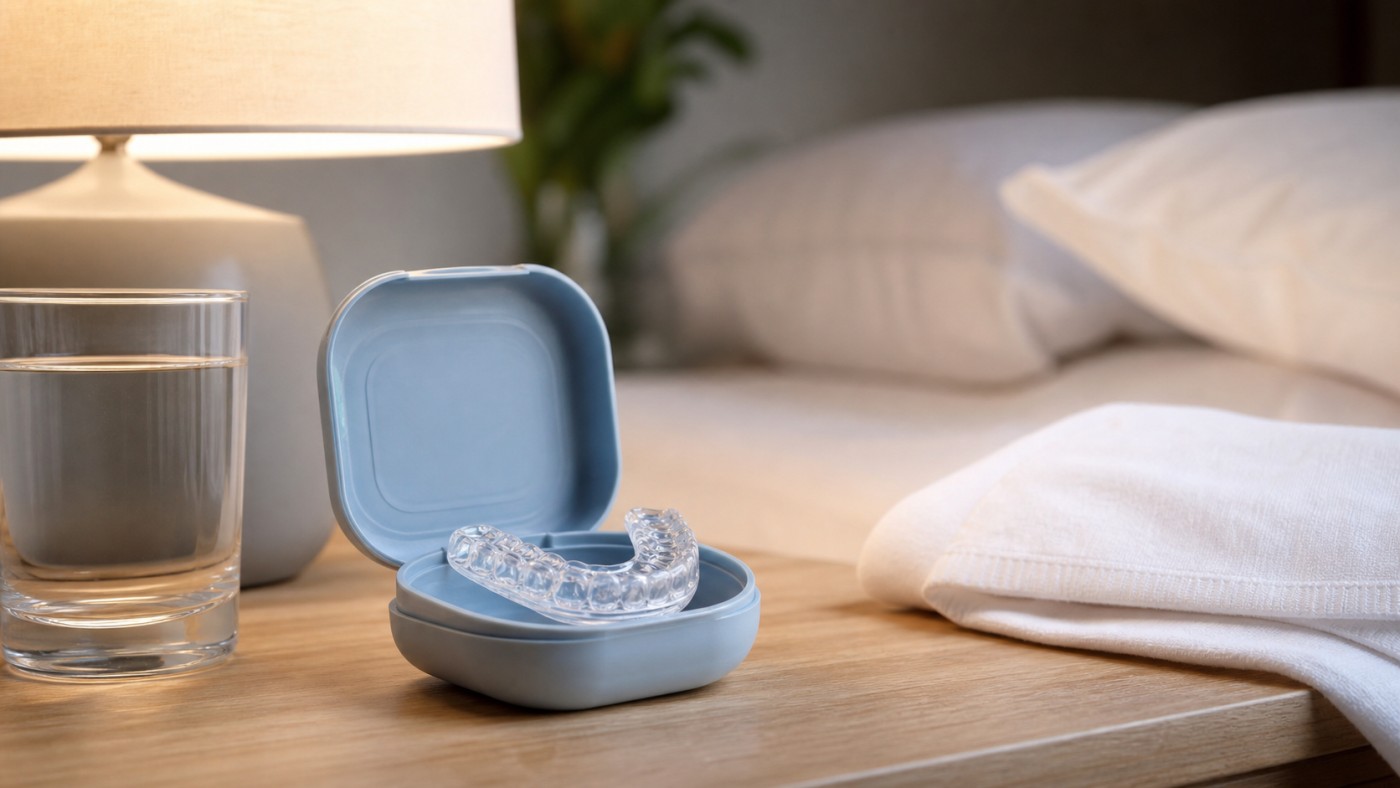
Most people who grind or clench their teeth at night do not realize they are doing it. The first clues may appear in the morning: a tired jaw, a dull headache, sensitive teeth, or a partner who hears grinding sounds during sleep. Occasional clenching does not always cause damage. When the habit is frequent or forceful, however, it can place extra stress on teeth, fillings, crowns, jaw muscles, and the jaw joints. A dental exam can help determine whether the changes are consistent with grinding—also called bruxism—and whether a night guard is appropriate.
Common signs of nighttime grinding
Symptoms vary, and several other conditions can cause similar problems. Signs worth discussing with a dentist include:
- Jaw tightness, fatigue, or soreness after waking
- Morning headaches, especially around the temples
- Flattened, chipped, cracked, or unusually worn tooth edges
- New tooth sensitivity without an obvious explanation
- Cheek or tongue indentations
- Grinding noises noticed by a sleeping partner
- Repeated damage to fillings, crowns, or other dental work
These signs do not confirm a diagnosis by themselves. During a dental exam, the dentist can look for wear patterns, check restorations, ask about symptoms, and evaluate the teeth, bite, and jaw muscles. If sleep-disordered breathing or another medical issue is suspected, additional medical evaluation may be recommended.
What does a night guard do?
A night guard creates a protective layer between the upper and lower teeth. It cannot stop every person from clenching, and it does not address every possible cause. Its main role is to reduce direct tooth-to-tooth contact and help protect teeth and restorations from wear or fracture. Oak Hill Family Dentistry provides custom mouth guards designed for a patient’s teeth and intended use. A custom night guard is made from impressions or digital records and adjusted to fit the bite. That differs from a general over-the-counter sports guard, which is designed primarily for impact protection during athletics.
Custom night guard or store-bought guard?
Over-the-counter guards are widely available and may seem convenient. Fit, thickness, comfort, and durability can vary. A poorly fitting guard may be hard to wear consistently, may fall out, or may place pressure unevenly. Some people also chew through softer materials quickly. A custom guard generally offers a more precise fit and can be selected and adjusted for the specific wear pattern and bite. It still requires regular care and periodic checks. No appliance lasts forever, especially when grinding forces are heavy.
When should you schedule an evaluation?
Consider a dental visit if morning jaw soreness or headaches keep returning, if a tooth or restoration chips, or if you notice visible changes in tooth shape. Seek prompt care for a cracked tooth, significant swelling, severe pain, or an injury rather than waiting for a routine night-guard discussion. A guard should not be used to cover up unexplained pain. The dentist first needs to rule out problems such as decay, a fractured tooth, a bite issue, or a jaw-joint condition. The best next step depends on the cause, the condition of the teeth, and how often symptoms occur.
Caring for a night guard
After each use, rinse the guard with cool or lukewarm water and clean it according to the instructions you receive. Let it dry before placing it in a ventilated case. Avoid hot water, which can distort some materials. Keep the case clean, store it away from pets, and bring the guard to dental visits so its fit and condition can be checked. Replace the guard if it becomes cracked, develops sharp edges, no longer fits securely, or shows significant wear. Changes to the teeth or new dental work may also affect the fit.
A practical next step
If you are waking with jaw tension, noticing worn teeth, or repeatedly damaging dental work, an evaluation can help clarify what is happening. Oak Hill Family Dentistry can examine the teeth and bite, discuss contributing factors, and explain whether a custom night guard makes sense for you. Request an appointment at our Newnan office to have your symptoms and teeth evaluated.
Sources and Further Reading
Clinical content is reviewed by Dr. Mike Jin, DMD. See our Medical Content Policy and Editorial Policy.